Unpacking the Ford v Ferrari Myth
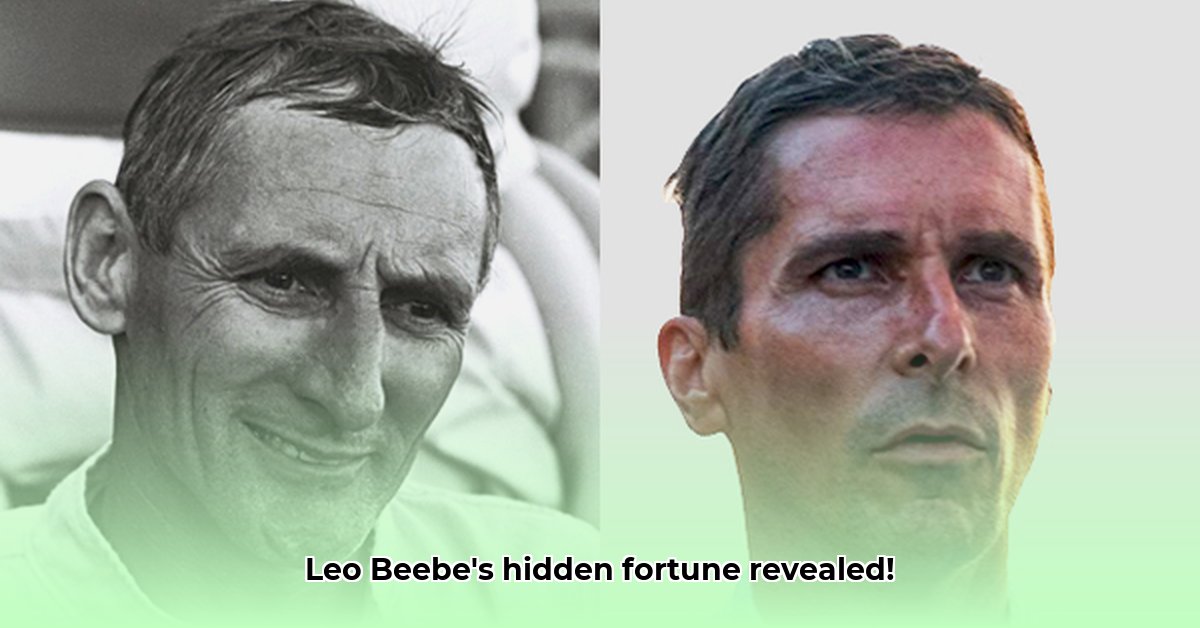
Hollywood thrives on compelling narratives, sometimes at the expense of historical accuracy. Ford v Ferrari, while a captivating film, presents a dramatically simplified and arguably biased portrayal of Leo Beebe. While determining his precise net worth remains impossible due to privacy, examining his career reveals a highly successful executive whose financial standing likely reflected his significant contributions to Ford. This article aims to separate cinematic license from historical reality, offering a more nuanced understanding of Leo Beebe's life and career.
The Movie's Version: Beebe as the Antagonist
The film depicts Beebe as a rigid, self-serving corporate executive, primarily concerned with image and profit, and ultimately obstructing the progress of the racing team. This portrayal provides a convenient narrative conflict, but how closely does it mirror reality? The movie’s Beebe serves as a compelling antagonist, highlighting the heroic struggles of Ken Miles and Carroll Shelby. But was this necessary dramatization at the expense of historical accuracy?
A Different Perspective: Rewriting the Narrative
Anecdotal evidence and accounts from those who knew Beebe paint a more multifaceted picture. Descriptions suggest a competent, capable leader, whose actions, while sometimes controversial, stemmed from broader corporate concerns. The film's portrayal simplifies a complex individual operating within a complex organizational structure.
Hollywood vs. History: Examining the Discrepancies
Several scenes in Ford v Ferrari merit closer examination. The film’s portrayal of events, while dramatic, often streamlines complex situations and interactions:
- The infamous office lock-in: Likely a dramatic embellishment.
- The intense rivalry with Shelby and Miles: Exaggerated for narrative impact.
- Beebe’s influence on the Le Mans finish: Simplified from a far more multifaceted decision-making process.
These instances exemplify the film’s prioritization of storytelling over strict historical fidelity. Such creative liberties shape the audience's perception of Beebe, potentially obscuring the nuances of his role.
Beyond the Big Screen: Beebe's Real Contributions
Beebe held significant positions within Ford, indicating considerable skill and influence that the film downplays. His responsibilities encompassed various facets of Ford's operations, extending beyond the racing program. His contributions, though sometimes at odds with the racing team's immediate goals, reflected broader business objectives.
Estimating Beebe's Wealth: A Proxy for Net Worth
Precisely determining Leo Beebe's net worth is impossible without access to private financial records. However, his senior position, responsibilities, and the era in which he worked strongly suggest substantial financial success. His career trajectory points towards a comfortable, if not affluent, retirement. Any attempt at a specific numerical estimate would be pure speculation.
Understanding the Context: Entertainment vs. Reality
Ford v Ferrari masterfully captures the thrilling tension of the Ford-Ferrari rivalry. But it is crucial to remember the essential difference between cinematic dramatization and historical documentary. While the movie’s narrative may be compelling, it’s not a substitute for factual historical analysis.
A More Complete Picture: Beebe's Legacy
The movie's portrayal of Leo Beebe, while dramatically effective, presents a simplified and arguably incomplete picture. Understanding his true impact requires moving beyond the film's selective narrative. While the film’s portrayal fuels engaging debate, recognizing the film's creative liberties is paramount to a balanced understanding of this historical figure. Further research into primary sources is essential for a more complete narrative. Ultimately, a full and fair assessment of Leo Beebe's career requires moving beyond the simplified portrayal of Ford v Ferrari.